
The Allure of Casino Environments
Casino environments are meticulously designed to captivate and engage players, creating an atmosphere of excitement and anticipation. From vibrant lights to strategically placed sounds, every element in a casino is tailored to heighten emotions and stimulate the senses. This carefully crafted ambiance plays a crucial role in attracting individuals to gamble, as it fosters a sense of thrill that is often irresistible. For those looking for alternatives, exploring casinos not on gamstop can be beneficial.
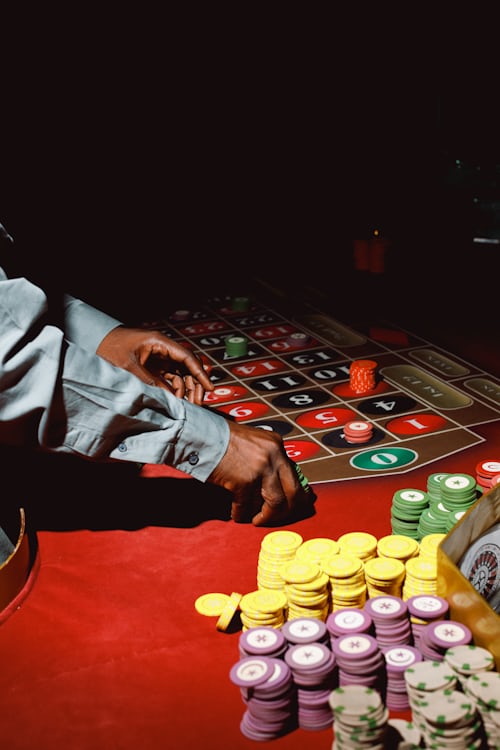
Moreover, the physical layout of casinos is meant to encourage exploration and prolonged stays. By positioning games and services in a specific manner, casinos induce players to wander from one game to another, often leading to increased spending. This design mechanism taps into the psychological principle of loss aversion, where players are drawn to minimize potential losses, further enhancing their engagement in the gaming experience.
The Role of Cognitive Biases in Gambling
Cognitive biases play a significant role in shaping player behavior within casinos. One of the most common biases is the illusion of control, where players believe they can influence the outcome of games, particularly in games of chance like slots or roulette. This false sense of control can lead to excessive gambling as individuals overestimate their chances of winning.
Another prevalent cognitive bias is the gambler’s fallacy, where players assume that past events will influence future outcomes. For example, if a roulette wheel has landed on red several times in a row, a player may believe that black is “due” to occur. This misjudgment activates a psychological urge to continue playing, often leading to detrimental financial consequences and reinforcing a cycle of addiction.
The Emotional Experience of Winning and Losing
The emotional highs and lows associated with gambling significantly impact player behavior. Winning can trigger a rush of dopamine in the brain, leading to feelings of euphoria and pleasure. This positive reinforcement can create a strong desire to repeat the experience, compelling players to return to casinos in search of that winning thrill.
Conversely, losing can lead to feelings of disappointment and frustration. However, many players may double down on their efforts to recover losses, driven by a psychological response known as “chasing losses.” This behavior often results in increased gambling, further entrenching individuals in a cycle that can be difficult to escape.
The Social Influence of Gambling
Gambling is not just an individual activity; it is often a social experience. Players frequently engage with friends or make new acquaintances within casino settings, amplifying the overall enjoyment of the activity. This social aspect can lead to a more intense emotional involvement, as group dynamics can influence decisions and behaviors, often encouraging more significant risk-taking.
Furthermore, the presence of social norms surrounding gambling can affect how players perceive their actions. If individuals see others winning or having fun, they are more likely to participate without considering the potential risks. This social validation can perpetuate gambling behaviors, making it challenging for individuals to recognize when it is time to walk away.

Enhancing Your Gambling Experience Safely
While the digital environment of our website provides extensive resources for understanding casino games and player behavior, it is crucial to approach gambling with a well-informed mindset. Players should strive to understand the psychological mechanics at play to make informed decisions about their gaming habits. Our platform offers valuable insights and tools aimed at promoting responsible gambling practices.
We encourage users to navigate our site for resources that deepen their knowledge of casino experiences while fostering a safe and enjoyable gaming environment. By staying informed and aware of the psychological aspects of gambling, individuals can enhance their experiences while minimizing potential risks associated with gaming activities.